Supervisor and new manager training that turns doers into leaders.
Leadership Design trains supervisors and first-time managers who were promoted for technical skill to lead instead of do the work. Workshops, coaching, and Execution Performance Management give teams clear decision rights, real accountability, and faster responses—proven in practice. Built for operations, project, and HR leaders.
Who this is for
You are a plant, operations, project, or HR leader. Your best operators, technicians, and engineers were promoted into supervision because they were good at the work. Now they manage their former peers, and when something breaks they jump in and fix it themselves.
That is not a character flaw. Without clear expectations, decision rights, and coaching, doing the work is the safest thing a new leader knows how to do. Manufacturing is where we built and proved this approach, and the same pattern shows up anywhere strong individual contributors are asked to lead.
What changes for your supervisors
Before
- Supervisors fill gaps on the line even when staffing is fine
- Unclear who decides, so issues wait for someone senior
- Feedback is rare, and coaching is firefighting
- Metrics push each area to optimize itself
After
- Supervisors manage the work and develop their people
- Decision rights and escalation are written down and used
- Regular coaching and clear performance standards
- A few measures aligned to the whole system
Our core programs
New manager training
For first-time managers promoted for skill, not leadership.
Learn more →Leadership training for supervisors
Coach, set standards, and stop firefighting.
Learn more →Supervisor training
Supervisory skills that hold on a busy shift.
Learn more →Leadership development program
Workshops, coaching, and Execution Performance Management—not one-and-done.
Learn more →How Leadership by Design works
Leadership by Design is the practice of developing leadership on purpose, not by accident. We combine four phases of work with Execution Performance Management so that skills turn into daily behavior.
- Diagnostic & assessmentWeeks 1–4Map how the operation really works and baseline current behaviors and metrics.
- Design & planningWeeks 5–8Define decision rights, winning behaviors, and the performance scorecard.
- ImplementationMonths 3–6Training, coaching, and the performance system go live on the floor.
- Evaluation & sustainmentMonths 7–12Re-measure against baseline, report results, and embed reinforcement.
Proof from manufacturing operations
Results delivered through Execution Performance Management.
Each engagement required some form of Execution Performance Management. Results from Mark Woeppel’s engagements, as published at mfgresilience.com/results.
Books by Mark Woeppel
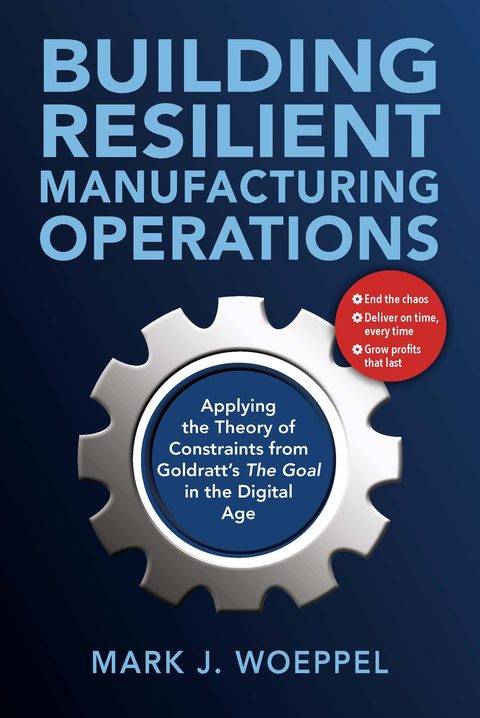
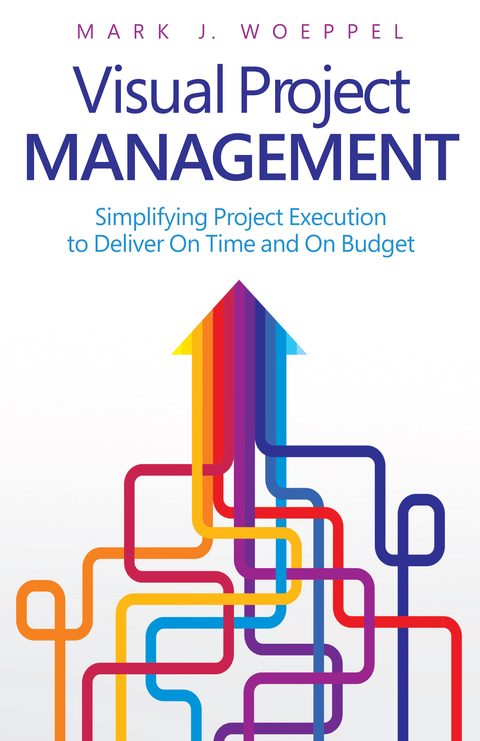
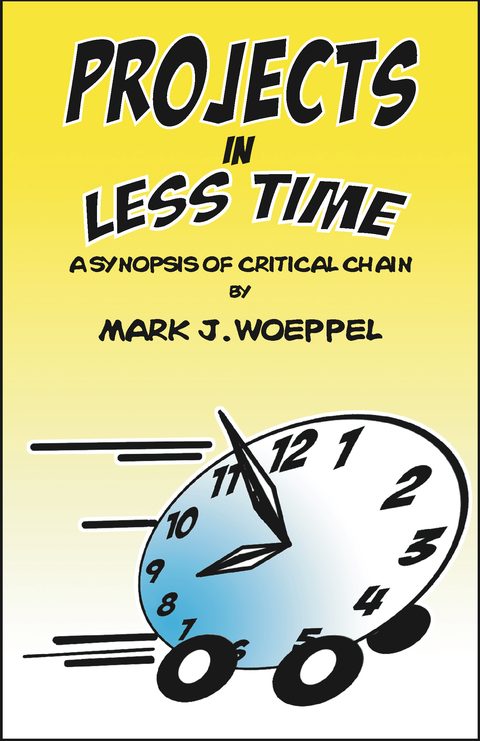
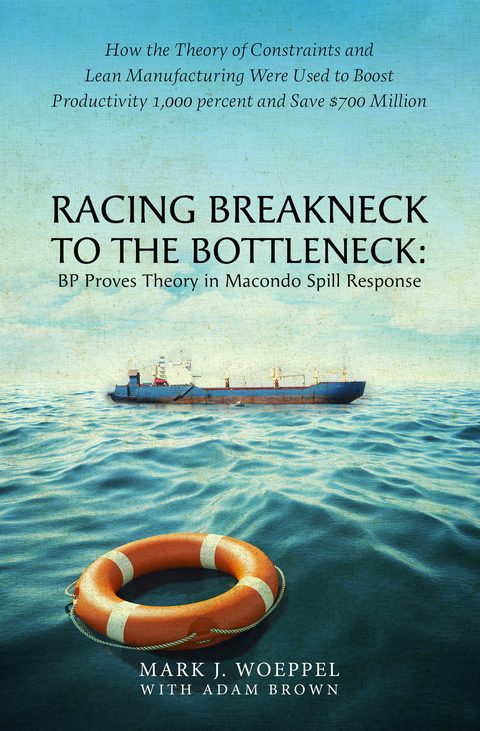
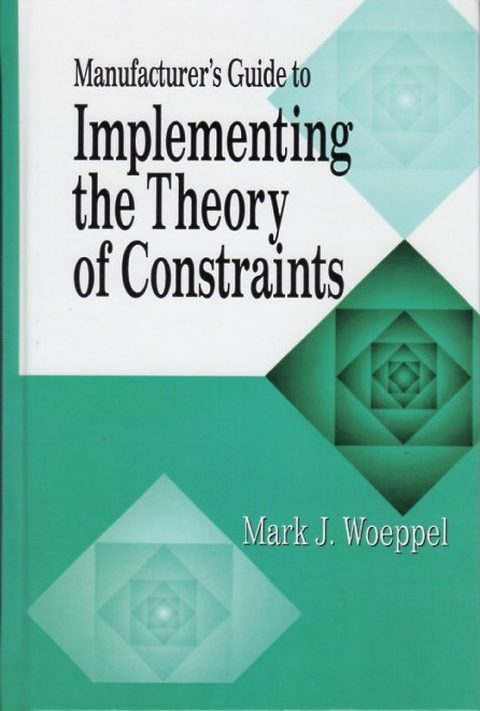
Mark Woeppel is the author of six books on the Theory of Constraints, process improvement, and project delivery—most recently Building Resilient Manufacturing Operations (J. Ross Publishing, 2025)—and has implemented the Theory of Constraints in nearly 100 companies.

Frequently asked questions
Who is Leadership Design for?
Operations, project, and HR leaders whose newly promoted supervisors and first-time managers still do the work instead of leading it. The approach was built and proven in manufacturing plants and applies wherever first-line leaders get stuck firefighting.
What do you teach?
Core supervision skills such as communication, delegation and accountability, feedback, and coaching, plus decision rights and escalation. Training is paired with a simple performance system so new habits are measured and reinforced.
How is this different from a one-off class?
A class teaches skills; it rarely changes what happens on Tuesday. We tie training to clear decision rights, coaching, and Execution Performance Management so behavior holds after the session ends.
Where do we start?
With a diagnostic conversation. We look at where decisions stall and where supervisors are doing the work, then recommend targeted training, a full leadership development program, or organizational design work.
Book a diagnostic conversation
Talk through supervisor training, new manager training, or a leadership development program for your operation.